Hz by Hz: What the Research Actually Says About Sound Frequencies and Your Body's Healing Response
Scroll through any wellness corner of the internet and you'll find sweeping promises attached to specific numbers—528Hz heals your DNA, 432Hz aligns you with the universe, 40Hz reverses cognitive decline. Some of these claims are rooted in legitimate science. Others... not so much. At Healing Melody Massage, we believe you deserve a straight answer about what's real, what's theoretical, and what's somewhere in between.
So let's break it down, frequency by frequency.
Why Frequency Even Matters to Your Body
Before we get into specific numbers, it helps to understand why the human body responds to sound at all. Your nervous system doesn't just hear sound—it feels it. Sound travels as vibration, and vibration interacts with tissue, fluid, and the bioelectrical activity of your brain. This is why a loud bass drop hits you in the chest, or why a certain song can make you tear up without warning.
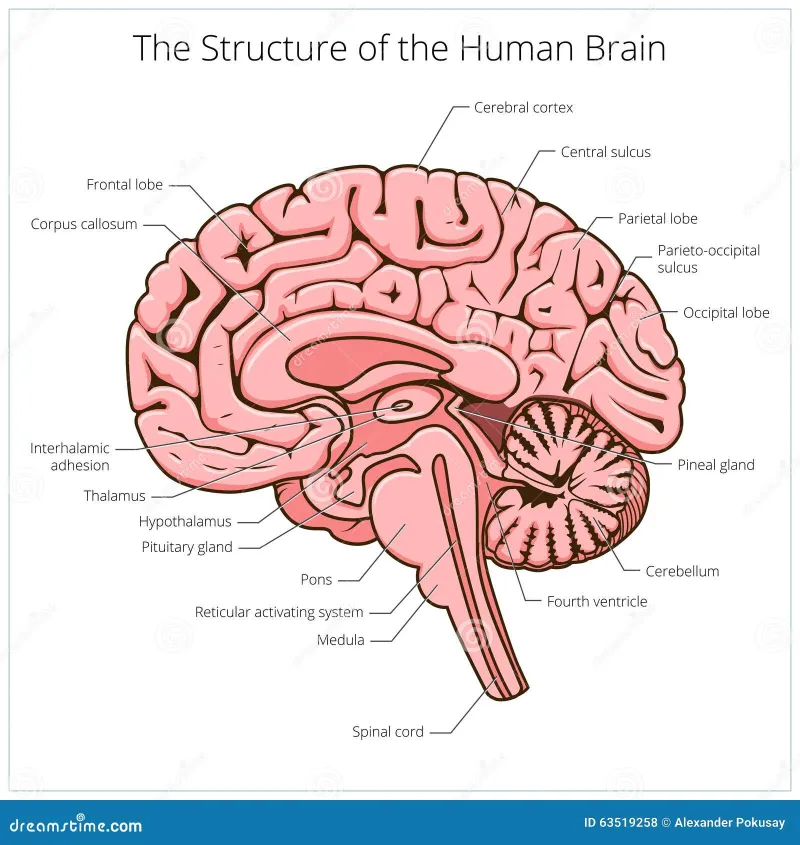
Your brain also operates in distinct frequency bands—delta, theta, alpha, beta, and gamma—each associated with different mental and physical states. External sound can gently nudge your brainwaves toward one of these states through a process called entrainment. That's the scientifically grounded foundation for a lot of what sound therapy does.
40Hz: The Frequency With the Most Research Behind It
If there's one frequency that neuroscientists have spent serious lab time on, it's 40Hz. This falls in the gamma range of brainwave activity, which is associated with high-level cognitive processing, attention, and memory consolidation.
Research out of MIT and other institutions has explored whether 40Hz sensory stimulation—delivered through flickering light or pulsing sound—can reduce amyloid plaques associated with Alzheimer's disease in mouse models. Early human trials are ongoing, and while we're not claiming sound therapy treats Alzheimer's, the underlying mechanism—gamma entrainment influencing glial cell activity and neuroinflammation—is a genuinely exciting area of study.
For everyday wellness purposes, 40Hz stimulation during a massage session may support mental clarity and help the brain shift out of the foggy, overwhelmed state that chronic stress creates. Think of it less as a cure and more as a nudge toward sharper, calmer brain function.
528Hz: Separating the Science From the Story
Few frequencies have captured the wellness world's imagination quite like 528Hz, often labeled the "love frequency" or "miracle tone." The claim that it repairs DNA or resonates at the frequency of the Earth's core is not supported by peer-reviewed science. Let's be honest about that.
What is interesting about 528Hz is more modest but still meaningful. Some small-scale studies have suggested that music tuned to 528Hz may reduce cortisol levels and self-reported anxiety more effectively than music at standard 440Hz tuning. A 2018 study published in the Journal of Addiction Research & Therapy found that 528Hz music reduced stress in the autonomic nervous system after just five minutes of exposure.
That's not miracle territory, but it's not nothing either. When layered into a therapeutic massage session, even a modest reduction in cortisol can meaningfully deepen the body's relaxation response. At Healing Melody Massage, we think of 528Hz as a useful tool—not a magic bullet.
432Hz: The Tuning Debate
Here's where things get a little philosophical. The modern music standard is 440Hz tuning, adopted internationally in 1939. Proponents of 432Hz argue that this alternative tuning sounds "warmer," feels more natural to the ear, and may produce a subtler calming effect.
Honestly, the scientific evidence for 432Hz being physiologically superior to 440Hz is thin. What the research does support is that any music perceived as pleasant and harmonically coherent can lower heart rate, reduce blood pressure, and ease muscle tension. The preference for 432Hz may be partly psychoacoustic—it genuinely does sound slightly different to many listeners, and that perceived warmth can contribute to a more relaxed state.
For sessions focused on emotional regulation or gentle stress relief, some of our practitioners do incorporate 432Hz-tuned instruments, particularly singing bowls and acoustic guitar, because clients consistently report finding it soothing.
Delta and Theta Frequencies: The Sleep and Deep-Rest Zones
When it comes to sleep improvement and trauma recovery, delta (0.5–4Hz) and theta (4–8Hz) brainwave states are where the real action happens. Delta is the territory of deep, restorative sleep. Theta is that hypnagogic edge between waking and sleep—the state where emotional processing and creative insight tend to emerge.
Binaural beats—where two slightly different tones are played separately in each ear, creating a perceived third frequency in the brain—are one of the most studied methods for inducing these states. A growing body of research supports their use for improving sleep onset and reducing pre-sleep anxiety. When combined with the physical relaxation of therapeutic massage, the effect can be significantly more pronounced than either modality alone.
The Myth of the "One-Size-Fits-All" Healing Frequency
Here's the thing the wellness industry doesn't always want to admit: your nervous system is not someone else's nervous system. A frequency that sends one person into a blissful theta state might feel irritating or overstimulating to another, depending on their baseline stress levels, trauma history, hearing sensitivity, and even the time of day.
This is why at Healing Melody Massage, we don't just press play on a generic "healing frequencies" playlist and call it a session. Our practitioners take time to understand what you're working toward—whether that's managing chronic pain, improving sleep, processing emotional stress, or recovering from physical injury—and build a sound protocol that complements your bodywork accordingly.
How We Actually Customize Sound Protocols
A client coming in for pain management might benefit most from low-frequency vibration delivered through a sound table, which allows the body to feel the frequency as physical sensation rather than just hearing it. Someone working on anxiety and sleep might receive a session built around theta-range binaural beats and 528Hz ambient tones. A client focused on mental fatigue and focus might experience 40Hz gamma entrainment layered beneath calming instrumental music.
The goal is always the same: use sound as a precise, intentional tool that enhances what the hands are already doing. Touch releases tension in muscle and fascia. Sound reaches into the nervous system in a different way—through the auditory pathway, through vibration, and through the emotional memory that music uniquely carries.
The Bottom Line
Sound frequency therapy is a legitimate and growing field of wellness science, but it works best when approached with both curiosity and healthy skepticism. Some frequencies have solid research behind them. Others are more speculative. And most of them work better when they're part of a thoughtfully designed, whole-person experience rather than something you stumble across on a YouTube playlist.
Your body has its own rhythm. The best thing sound therapy can do is help you find your way back to it.