What Binaural Beats Actually Do to Your Brain During a Massage Session
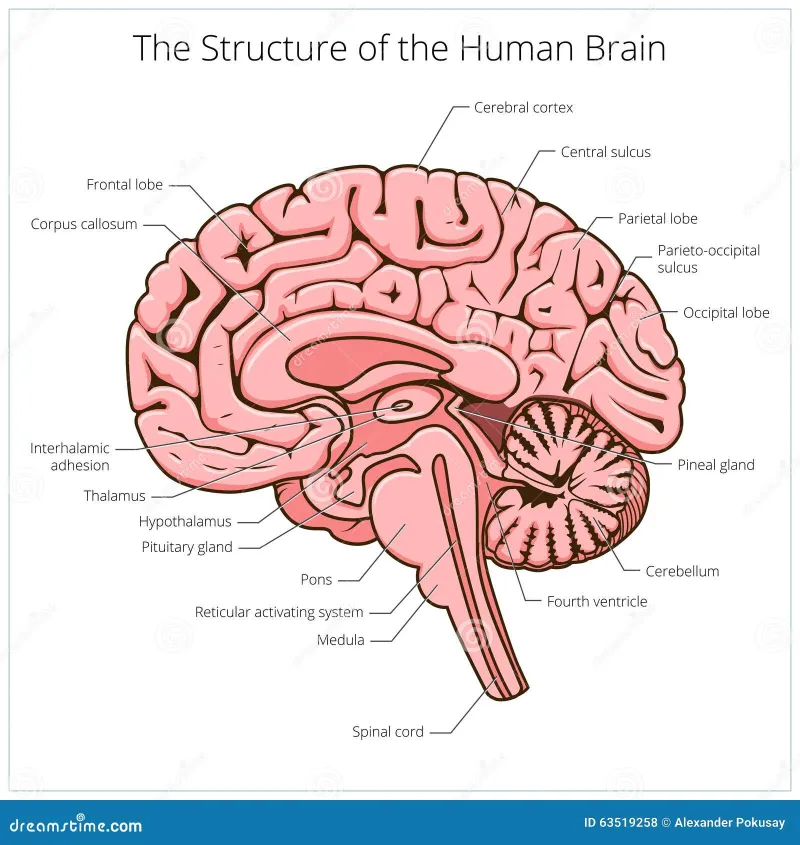
Photo: brain waves sound therapy meditation relaxation neuroscience, via thumbs.dreamstime.com
Your Brain Is Listening, Even When You're Half Asleep on the Table
Most people walk into a massage expecting their muscles to do all the work. Tight shoulders loosen. Knotted backs soften. That part makes intuitive sense. But what's happening above the neck during a great massage is just as fascinating — and when you add binaural beats or isochronic tones to the mix, the neurological picture gets genuinely remarkable.
At Healing Melody Massage, we've built our entire practice around the idea that sound and touch aren't just complementary — they're synergistic. The brain doesn't process them in separate lanes. They converge, and that convergence creates something neither can achieve alone. Understanding the neuroscience behind this helps explain why clients regularly tell us they feel a depth of relaxation they've never quite experienced anywhere else.
What Are Binaural Beats, Exactly?
Let's start with the basics. Binaural beats aren't music in the traditional sense. They're an auditory illusion your brain creates when two slightly different frequencies are played separately into each ear. For example, if your left ear hears a tone at 200 Hz and your right ear hears one at 210 Hz, your brain perceives a third tone — a "beat" — pulsing at the difference between them: 10 Hz.
That 10 Hz beat isn't coming from the speakers. Your brain is generating it. And in doing so, it begins to synchronize its own electrical activity to that frequency — a phenomenon researchers call frequency following response or brainwave entrainment.
Isochronic tones work differently but toward a similar goal. Rather than requiring stereo input, they're single tones that pulse on and off at a specific rate, creating a rhythmic stimulus that the brain can latch onto even without headphones. Both tools are designed to guide your brainwave activity toward a target state.
The Theta Window: Why This Frequency Is the Sweet Spot
Brainwaves are measured in hertz and grouped into bands based on the mental states they correspond to. Beta waves (13–30 Hz) are your everyday alert, working-brain state. Alpha waves (8–12 Hz) show up when you're relaxed but still aware. Then there's theta (4–8 Hz) — the state associated with deep meditation, light sleep, creative insight, and profound physical relaxation.
Theta is the sweet spot that skilled massage therapists and sound practitioners are both reaching for. Research published in journals including Applied Psychophysiology and Biofeedback has shown that listening to binaural beats in the theta range can meaningfully shift brainwave patterns toward this slower, more restorative frequency — even in people who struggle to meditate on their own.
When massage is happening simultaneously, the effect compounds. Touch activates mechanoreceptors in the skin that send calming signals through the nervous system. The brain, already being gently nudged toward theta by the auditory stimulus, has less resistance to cross that threshold. The result is a depth of relaxation that takes most people significantly longer to reach through either approach alone.
The Vagus Nerve: Your Body's Built-In Calm Switch
Here's where the neuroscience gets especially interesting. The vagus nerve — the longest cranial nerve in the body, running from the brainstem all the way down through the heart, lungs, and digestive tract — is a critical player in the relaxation response. When it's activated, it shifts your body out of the sympathetic "fight or flight" mode and into the parasympathetic "rest and digest" state.
Both massage and certain sound frequencies stimulate vagal tone. Slow, rhythmic touch — particularly along the neck, upper back, and abdomen — directly activates vagal pathways. Simultaneously, low-frequency sounds and binaural beats in the delta and theta ranges have been shown in preliminary research to increase heart rate variability (HRV), a key marker of vagal tone and overall nervous system health.
Higher HRV means your body is better at recovering from stress. Lower resting heart rate. Calmer baseline. Better sleep. These aren't abstract wellness buzzwords — they're measurable physiological outcomes, and they're more accessible when you're combining sound and touch than when you're relying on one or the other.
What This Means for Cortisol and Inflammation
Chronic stress keeps cortisol — the body's primary stress hormone — elevated at levels that, over time, contribute to inflammation, immune suppression, disrupted sleep, and cognitive fog. Massage has well-documented cortisol-lowering effects. A study from the Touch Research Institute at the University of Miami found significant reductions in cortisol following massage therapy sessions.
When binaural beats are layered in, the nervous system's downshift happens more efficiently. The brain isn't fighting to relax while also processing the ambient noise of a busy mind. It's being gently guided. That guidance reduces the cortisol response faster and allows the body to spend more of the session in genuine recovery mode rather than transitioning into it.
Practical Takeaways for Getting the Most From Your Session
So what does this mean if you're booking a sound-infused massage? A few things worth keeping in mind:
Use headphones or quality speakers. Binaural beats require stereo input to work properly. If your provider uses headphones, that's intentional — don't skip them. If the room uses speakers positioned for optimal stereo separation, trust the setup.
Arrive with a few minutes to decompress. Your brain benefits from a short transition period before the session begins. Sitting quietly for five to ten minutes before getting on the table lets your brainwaves start descending from the beta chatter of daily life.
Communicate your stress level. The more your therapist knows about where you're carrying tension — physical and mental — the better they can pair the right touch pressure with the right sound frequency for your state that day.
Don't fight the drowsiness. Theta state feels a lot like the edge of sleep, because neurologically, it is. If you find yourself drifting, that's not you being rude to your therapist. That's your brain doing exactly what we're hoping for.
Give it more than one session. Brainwave entrainment, like most neurological conditioning, gets more effective with repetition. Regular clients report that reaching theta becomes easier and faster over time, meaning the benefits deepen with each visit.
Sound Isn't the Background — It's Half the Treatment
At Healing Melody Massage, we've always believed that what you hear during a session is just as therapeutic as what you feel. The neuroscience is catching up to that intuition in compelling ways. Binaural beats, isochronic tones, and carefully selected sound frequencies aren't ambient decoration — they're clinical tools that interact with your nervous system in real, measurable ways.
When we say "where sound meets touch, wellness begins," we mean it literally. Your brain is listening. And when the right frequencies meet skilled, intentional touch, the results go far beyond muscle relief. They reach into the deeper rhythms of your nervous system, your stress hormones, your heart rate — and they start to shift things at a level that feels, to most people, genuinely transformative.
That's not marketing. That's neuroscience.